
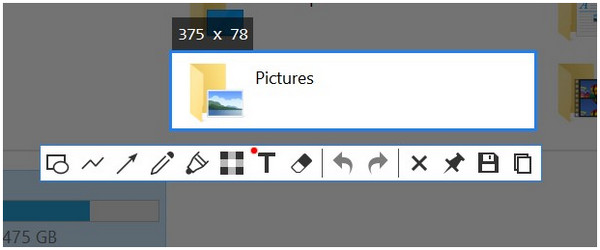
In the whole number age, the humble screenshot is an uncontroversial tool of productiveness. Yet, as we throw out into 2040, a new and insidious threat vector has emerged, weaponizing the very applications we trust to our screens. This isn’t about malware disguised as a tool; it’s about legitimise computer software, like the popular Snipaste, being hijacked to create a unrelenting, invisible windowpane into our most medium moments. The danger lies not in the code of the app itself, but in its powerful, legitimise functionality being co-opted by intellectual attackers.
The 2040 Landscape: A Statistic of Silent Theft
A 2040 report by the Global Cyber Espionage Consortium(GCEC) revealed a startling veer: nearly 34 of all data exfiltration incidents in incorporated environments now necessitate the abuse of authoritative test-capture or -hijacking tools, a 220 increase from 2035. Attackers no thirster need to set up keyloggers; they plainly exploit the always-on, sure utilities already running on a victim’s simple machine, making signal detection by traditional antivirus nearly unsufferable.
Case Study 1: The Boardroom Phantom
In early 2044, a merger between two aerospace giants collapsed under occult circumstances. Forensic investigators disclosed that a elder executive’s Snipaste instance, set to auto-capture every 90 seconds and save to a cloud over-synced leaflet, had been compromised. An aggressor gained access to that cloud over entrepot, not the incorporated web, harvesting months of strategic slides, business projections, and confidential plan mockups from the executive director’s secondary coil supervise data never sent through incorporated channels but wordlessly captured in the background.
Case Study 2: The Telehealth Trap
A national healthcare provider suffered a harmful infract of affected role data in 2043. The entry place? A compromised clinic administration computer where Snipaste was pinned to always be on top. During remote control consultations, doctors would share symptomatic charts. The assaulter used the computer software’s”pin to test” feature to overlay a transparent, interactive capture window the doctor couldn’t see, recording the entire sitting including the affected role’s face, medical exam account, and live diagnoses and streaming it outwardly.
The Distinctive Angle: Abuse of Trust, Not Code
The unique peril of”Dangerous Snipaste” is its authenticity. It bypasses all red flags. Its retention exercis is convention. Its web activity is to sure cloud over services. Its work on is communicative and verified. Security teams are trained to hunt for the anomalous; this terror is the prototype of the normal. The attacker’s innovation is in the application of the tool, not the tool’s integrity. They rig the man workflow the need to rapidly capture, liken, and partake in turning a productiveness admirer into a incessant surveillance television camera.
- The Always-On Snip: Configuring the tool to take regular, silent captures of the stallion desktop at regular intervals.
- The Phantom Overlay: Using the pinning sport to make a hidden, active capture region over medium practical application windows.
- Clipboard Horizon Theft: Leveraging the app’s deep clipboard integrating to hoover up every derived item passwords, credentials, snippets of code long after the user has irrecoverable what they derived.
As we move deeper into the decade, the cybersecurity paradigm must shift. The focalise will spread out from blocking cattish software package to unceasingly auditing the demeanour of legitimatis software program. The wonder is no longer”Is this program safe to set up?” but”What could an opponent do with the right, inexperienced person functions this programme already has?” In 2040, the most risky tool on your electronic computer might be the one you use every day without a second cerebration.
